
Read The Latest News From Us
Bearing Knowledge

Read The Latest News From Us
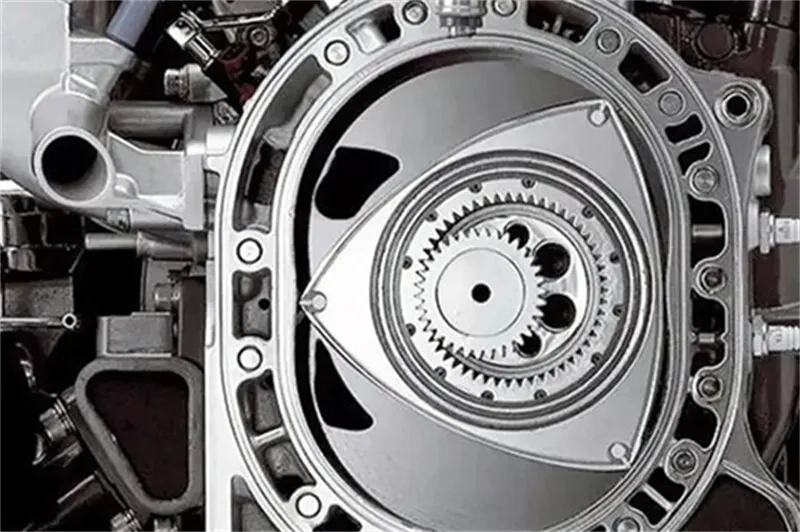
The factors affecting bearing performance primarily refer to whether installation and alignment, operation and maintenance, and repair and servicing comply with technical requirements. In accordance with the technical requirements for bearing installation, operation, maintenance and servicing, the loads, rotational speed, operating temperature, vibration, noise and lubrication conditions of bearings in operation must be monitored and inspected; should any abnormalities be detected, the cause must be identified immediately and adjustments made to restore normal operation. Installation conditions are one of the primary factors amongoperational factors; bearings often experience changes in the stress distribution between their components due to improper installation, causing them to operate under abnormal conditions and leading to premature failure. Internal factors primarily refer to the three key elements determining bearing quality: structural design, manufacturing processes and material quality.
The metallurgical quality of bearing materials was once the main factor influencing the early failure of rolling bearings. With advances in metallurgical technology (such as vacuum degassing of bearing steel), the quality of raw materials has improved. The proportion attributed to raw material quality in bearing failure analysis has decreased significantly, yet it remains one of the primary contributing factors to bearing failure. The appropriateness of material selection remains a factor that must be considered in bearing failure analysis.
The manufacture of bearings generally involves multiple processing stages, including forging, heat treatment, turning, grinding and assembly. The rationality, sophistication and stability of each manufacturing process also affect the service life of the bearing.
Among these, the heat treatment and grinding processes, which influence the quality of the finished bearing, are often closely linked to bearing failure.
Rolling bearings are precision components; consequently, they must be handled with due care during use. Even when high-
performance bearings are employed, improper use will prevent them from achieving the expected performance. Therefore, the following precautions should be observed when using bearings: Maintain the cleanliness of the bearings and their surrounding environment. Even microscopic dust invisible to the naked eye can enter the bearings, increasing wear, vibration and noise. Exercise great care during installation; do not force the bearings into place, do not strike them directly with a hammer, and do not apply pressure via the rolling elements. Use suitable and precise installation tools, preferably specialised tools, and avoid using cloth or short fibres wherever possible. Prevent rusting of the quality mineral oil before proceeding. Particular attention must be paid to rust prevention during the rainy season and in summer.
bearings. When handling bearings directly with your hands, ensure that any perspiration is thoroughly washed off and apply high-
The inner and outer diameters of bearings are manufactured to standard tolerances. The tightness of the fit between the inner ring and the shaft, and between the outer ring and the housing bore, can only be achieved by controlling the tolerances of the shaft journal and the housing bore. The fit between the bearing inner ring and the shaft is based on the bore system, whilst the fit between the outer ring and the housing bore is based on the shaft system. To select the correct fit, one must know the bearing' s actual load conditions, operating temperature and other requirements; however, this is often difficult in practice. Consequently, in most cases, the fit is selected based on the required precision of use.
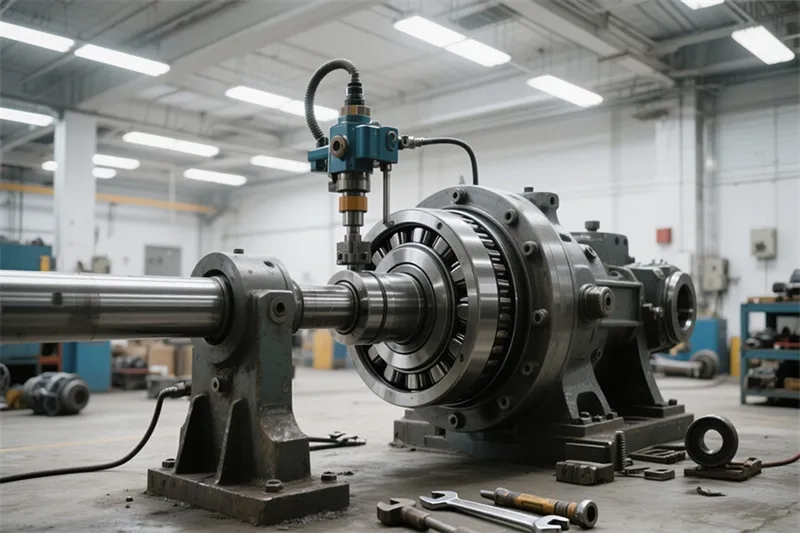
In practice, attention must be paid to the selection of measurement points and data acquisition methods. To accurately reflect the vibration state of rolling bearings, it is essential that the acquired signals are accurate and reliable; consequently, measurement points should be positioned close to the bearing. At the free end of the motor, there is typically a rear fan shroud, and selecting a measurement point at the fan shroud's fixing screw yields good monitoring results. Furthermore, it is necessary to acquire and analyse vibration signals from the bearing on multiple occasions and conduct a comprehensive comparison. Only then can accurate conclusions be drawn.