
Read The Latest News From Us
Bearing Knowledge

Read The Latest News From Us
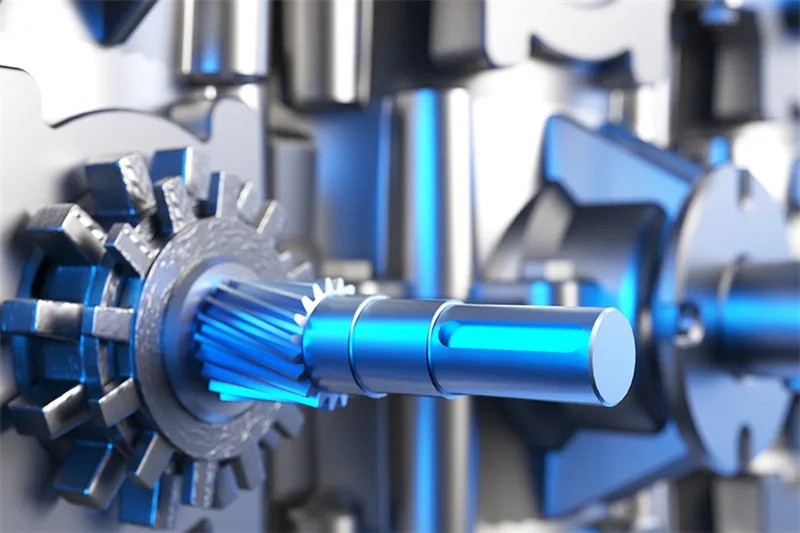
Excessively small internal clearances in bearings or poor design and manufacturing precision of components are the primary causes of elevated operating temperatures in rolling bearings. To facilitate the installation, dismantling, repair and maintenance of fan equipment, bearing housings with inner rings fitted into tapered bores using set-sleeve bearings are commonly employed in design; however, problems can easily arise due to oversights during the installation process, particularly regarding the adjustment of appropriate clearances.
Methods for detecting and rectifying rolling bearing fit faults:
(1) Inherent noise: Raceway noise and various bearing and rolling friction sounds are inherent to rolling bearings. Raceway noise is generated by the elastic characteristics of the contact between the rolling elements and the raceway; when the rolling bearing rotates, the rolling elements roll along the raceway, producing a continuous, low-pitched sound; Abnormal rolling friction sounds may produce unpleasant metallic grinding noises such as ' creaking' or ' squeaking' such sounds do not occur when lubrication is adequate.
Therefore, this is not a concern under normal conditions, and attention should only be paid if the noise increases.
(2) Noise related to bearing manufacture: This includes cage noise and vibration. Cage noise primarily occurs in ball bearings; when the rolling bearing rotates, noise is generated due to the vibration of the cage and the impact between the cage and the rolling elements. This sound is periodic. Chatter (in various bearings) is a sound with a specific frequency, caused by vibrations resulting from significant waviness on the raceway surface. This is a common issue that requires close attention in the future.
(3) Noise caused by improper use: For all types of bearings, if the raceway surface or rolling element surface is damaged, indented or corroded, periodic noise and vibration will occur. When dust enters the bearing during operation, contamination noise is generated. This noise is non-periodic and is also accompanied by vibration; the volume is variable and comes and goes intermittently.
(4) To resolve this, remove the locking collar, readjust the fit between the shaft and the inner ring, and set the clearance to 0.10
mm after replacing the bearing. Once reinstalled, restart the fan; the bearing vibration levels and operating temperature will return to normal.
Excessively small internal bearing clearance causes rapid rise in operating temperature: if the fit between the inner ring's tapered bore and the locking collar is too loose, the bearing is prone to failure and burnout within a short period due to loosening at the mating surfaces. As for large bearings, in order to avoid difficulties during installation and removal, a clearance fit is sometimes used for the rings subjected to rotational loads. In such cases, the shaft must be made of a hard material, with a carefully machined surface, and sufficient lubricant must be applied to minimise damage caused by slippage.